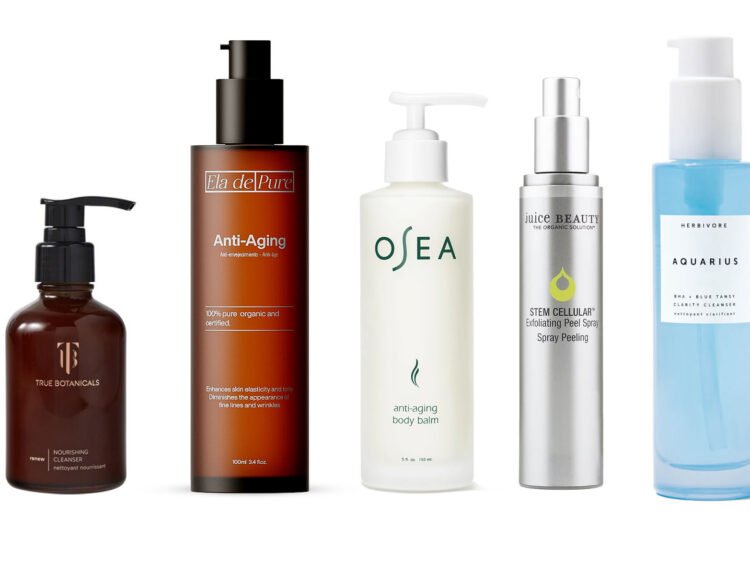




Creating an effective skincare routine does not require complicated steps or dozens of products. When used correctly, facial oils and serums can work together to support healthier, more balanced skin. Understanding how to layer, choose, and combine these products allows you to target concerns like dryness, dullness, acne, and early signs of aging without overwhelming your skin.
This guide explains how to build a practical skincare routine using oils and serums, why they complement each other, and how to customize the routine for your skin type.
Understanding the Role of Serums and Oils in Skincare
Before building a routine, it’s important to understand what serums and oils actually do and how they differ.
What Are Facial Serums?
Serums are lightweight, fast-absorbing formulations designed to deliver concentrated active ingredients deep into the skin. They typically contain ingredients such as antioxidants, vitamins, peptides, or hydrating compounds.
Key characteristics of serums:
- Thin texture
- Water-based or gel-based
- Target specific skin concerns
- Absorb quickly into the skin
Serums are often used to address issues like uneven tone, dehydration, acne, or fine lines.
What Are Facial Oils?
Facial oils are lipid-based products that help seal in moisture, strengthen the skin barrier, and provide nourishment. Unlike serums, oils do not penetrate deeply but work mainly on the surface layers of the skin.
Key characteristics of facial oils:
- Richer texture
- Lock in hydration
- Support barrier repair
- Improve skin softness and glow
When used correctly, oils do not clog pores and can benefit almost all skin types.
Why Oils and Serums Work Better Together
Using serums and oils together allows you to address both skin treatment and protection in one routine.
- Serums deliver active ingredients deep into the skin
- Oils help prevent moisture loss and support long-term skin health
- Together, they create a balanced routine that improves results over time
Instead of replacing one another, oils and serums work best as complementary steps.
Step-by-Step Guide to Building a Skincare Routine
A well-structured routine ensures each product works effectively without interfering with others.
Step 1: Cleanse Your Skin Properly
Cleansing removes dirt, excess oil, sunscreen, and makeup that can block product absorption.
- Use a gentle cleanser suited to your skin type
- Cleanse twice daily (morning and evening)
- Avoid harsh formulas that strip natural oils
Clean skin allows serums and oils to perform optimally.
Step 2: Apply a Targeted Serum
Serums should always be applied before oils because of their lightweight texture.
How to Apply a Serum Correctly
- Use 2–3 drops
- Apply to slightly damp skin
- Gently press into the face instead of rubbing
Choosing the Right Serum for Your Skin
Dry or Dehydrated Skin
- Look for hydrating ingredients
- Focus on moisture retention and comfort
Oily or Acne-Prone Skin
- Choose lightweight, non-greasy serums
- Focus on balancing oil production
Dull or Uneven Skin
- Opt for brightening or antioxidant-rich serums
- Support skin renewal and clarity
Serums are the treatment core of your routine, so choosing the right one is essential.
Step 3: Seal with a Facial Oil
Once the serum has absorbed, facial oil helps lock everything in.
How Facial Oils Enhance Results
- Reduce water loss
- Improve skin softness
- Strengthen the protective barrier
How to Apply Facial Oil
- Use 2–4 drops
- Warm between palms
- Press gently into the skin
Avoid overusing oil, as a small amount is sufficient for most skin types.
Choosing Oils Based on Skin Type
Not all oils behave the same way. Selecting the right oil makes a significant difference in how your skin responds.
Best Oils for Dry Skin
Dry skin benefits from oils that provide deep nourishment and barrier support.
- Rich, moisturizing oils
- Help restore skin elasticity
- Reduce tightness and flaking
These oils work especially well at night when the skin repairs itself.
Best Oils for Oily and Acne-Prone Skin
Contrary to popular belief, oily skin can benefit from facial oils.
- Lightweight, fast-absorbing oils
- Help regulate excess sebum
- Prevent overproduction of oil caused by dehydration
Using the right oil can actually make oily skin more balanced.
Best Oils for Sensitive Skin
Sensitive skin requires gentle oils that calm irritation.
- Minimal ingredient lists
- Soothing and non-reactive properties
- Support skin barrier recovery
Always patch test when introducing a new oil.
Morning vs Evening Routine with Oils and Serums
Your skin’s needs change throughout the day, so adjusting your routine improves results.
Morning Skincare Routine
Morning routines focus on protection and hydration.
- Cleanser
- Lightweight serum
- Light facial oil or moisturizer
- Sunscreen
Use minimal oil in the morning to avoid heaviness under makeup or sunscreen.
Evening Skincare Routine
Nighttime routines support repair and nourishment.
- Cleanser
- Targeted serum
- Facial oil
- Optional moisturizer
Evening is the best time to use richer oils since the skin regenerates overnight.
Common Mistakes to Avoid When Using Oils and Serums
Even high-quality products won’t work well if used incorrectly.
Using Products in the Wrong Order
Always remember:
- Water-based products first
- Oil-based products last
Applying oil before serum can prevent absorption.
Overusing Products
More product does not mean better results.
- Too much serum can irritate the skin
- Excess oil may feel heavy or greasy
Consistency matters more than quantity.
Ignoring Skin Changes
Skin needs can change due to weather, stress, or age.
- Adjust oils seasonally
- Switch serums when concerns change
- Listen to how your skin responds
How Long Does It Take to See Results?
Skincare is a long-term commitment, not an overnight fix.
- Hydration improvements may appear within days
- Texture and tone improvements take several weeks
- Long-term barrier repair may take months
Consistent use and patience are key.
Can Oils and Serums Replace Moisturizers?
In some cases, yes—but not always.
- Oily skin types may not need a separate moisturizer
- Dry skin often benefits from using all three
- Climate and lifestyle play a role
Think of oils, serums, and moisturizers as flexible tools rather than strict rules.
Final Thoughts
Building a skincare routine using oils and serums is about understanding your skin, choosing suitable products, and applying them in the correct order. Serums address targeted concerns, while oils protect and support long-term skin health.
There is no one-size-fits-all routine. Start simple, introduce products gradually, and adjust based on how your skin responds. With consistency and mindful selection, oils and serums can become the foundation of an effective, balanced skincare routine.