


As we age, our skin naturally loses elasticity, firmness, and radiance. While wrinkles and fine lines are a normal part of life, the right anti-aging serum can slow down visible aging and restore a youthful glow. But with countless products on the market, it’s hard to tell which ones actually work.
In this guide, we’ll break down the science behind effective anti-aging serums, highlight key ingredients to look for, and help you understand how to choose the right formula for your skin type and concerns.
What Makes an Anti-Aging Serum Effective?
An anti-aging serum is a lightweight, fast-absorbing formula packed with active ingredients that target specific signs of aging — such as wrinkles, fine lines, and dullness.
Unlike moisturizers, serums contain a higher concentration of actives, allowing deeper skin penetration for better results.
The Role of Active Ingredients
The “active” ingredients in serums are the real game changers. These include antioxidants, peptides, retinoids, and hydration boosters like hyaluronic acid. When combined in a balanced formulation, they work synergistically to:
- Stimulate collagen production
- Reduce oxidative stress
- Improve skin elasticity
- Enhance cell turnover
Texture and Absorption Matter
An effective serum should feel lightweight and absorb quickly. This allows active compounds to reach deeper layers of skin instead of sitting on the surface.
Key Ingredients to Look for in Anti-Aging Serums
Let’s explore the science-backed ingredients proven to help maintain youthful, glowing skin.
1. Retinol (Vitamin A Derivative)
Retinol is one of the most researched and powerful anti-aging ingredients. It accelerates cell turnover, reduces fine lines, and improves overall texture.
Benefits:
- Stimulates collagen production
- Smooths wrinkles and fine lines
- Brightens dull skin
Tip: Start with a low concentration if you’re new to retinol to minimize irritation. Use only at night and follow with sunscreen during the day.
2. Hyaluronic Acid
Hyaluronic acid is a hydration magnet, capable of holding up to 1,000 times its weight in water. It keeps your skin plump, soft, and hydrated — minimizing the appearance of wrinkles.
Benefits:
- Boosts skin moisture
- Improves elasticity
- Smooths rough texture
Look for multi-molecular hyaluronic acid in serums for better penetration into deeper skin layers.
3. Peptides
Peptides are short chains of amino acids that signal the skin to produce more collagen and elastin. They help restore firmness and resilience over time.
Benefits:
- Firms sagging skin
- Reduces fine lines
- Enhances skin repair
Common types: Matrixyl, Argireline, and Copper Peptides.
4. Vitamin C (Ascorbic Acid)
Vitamin C is a potent antioxidant that brightens the skin, protects against free radicals, and boosts collagen production.
Benefits:
- Fades dark spots and hyperpigmentation
- Brightens dull skin
- Protects against sun damage
Pro tip: Choose stabilized Vitamin C forms like L-ascorbic acid or magnesium ascorbyl phosphate to ensure effectiveness.
5. Niacinamide (Vitamin B3)
Niacinamide is a gentle yet powerful ingredient suitable for all skin types. It helps improve skin barrier function and reduces visible signs of aging.
Benefits:
- Minimizes pores
- Reduces fine lines and uneven tone
- Soothes inflammation
It pairs well with other actives like retinol and hyaluronic acid.
6. Alpha Hydroxy Acids (AHAs)
AHAs like glycolic acid and lactic acid exfoliate dead skin cells, revealing smoother, more radiant skin.
Benefits:
- Improves texture and tone
- Promotes cell renewal
- Reduces dullness and uneven pigmentation
AHAs also help other active ingredients penetrate better by clearing surface buildup.
7. Antioxidants (Green Tea, CoQ10, Resveratrol)
Antioxidants protect skin cells from oxidative stress and environmental damage, slowing down the visible signs of aging.
Benefits:
- Neutralizes free radicals
- Protects collagen
- Enhances overall radiance
Look for serums combining antioxidants with vitamins for a multi-layered defense.
How to Choose the Right Anti-Aging Serum for Your Skin Type
Every skin type has unique needs. Understanding yours ensures you get the maximum benefit from your serum.
For Dry Skin
Look for hyaluronic acid, ceramides, and vitamin E to lock in moisture and prevent flakiness.
For Oily or Acne-Prone Skin
Choose niacinamide, vitamin C, or lightweight peptide serums that balance oil production without clogging pores.
For Sensitive Skin
Opt for fragrance-free formulas with soothing ingredients like panthenol, green tea extract, or low-strength retinol.
For Mature Skin
Go for retinol, peptides, and antioxidants that target wrinkles, sagging, and dullness effectively.
How to Use an Anti-Aging Serum Effectively
Even the best serum won’t work if not applied correctly. Here’s how to maximize results:
- Cleanse: Start with a gentle cleanser to remove dirt and oils.
- Tone: Apply toner to balance pH and prep skin.
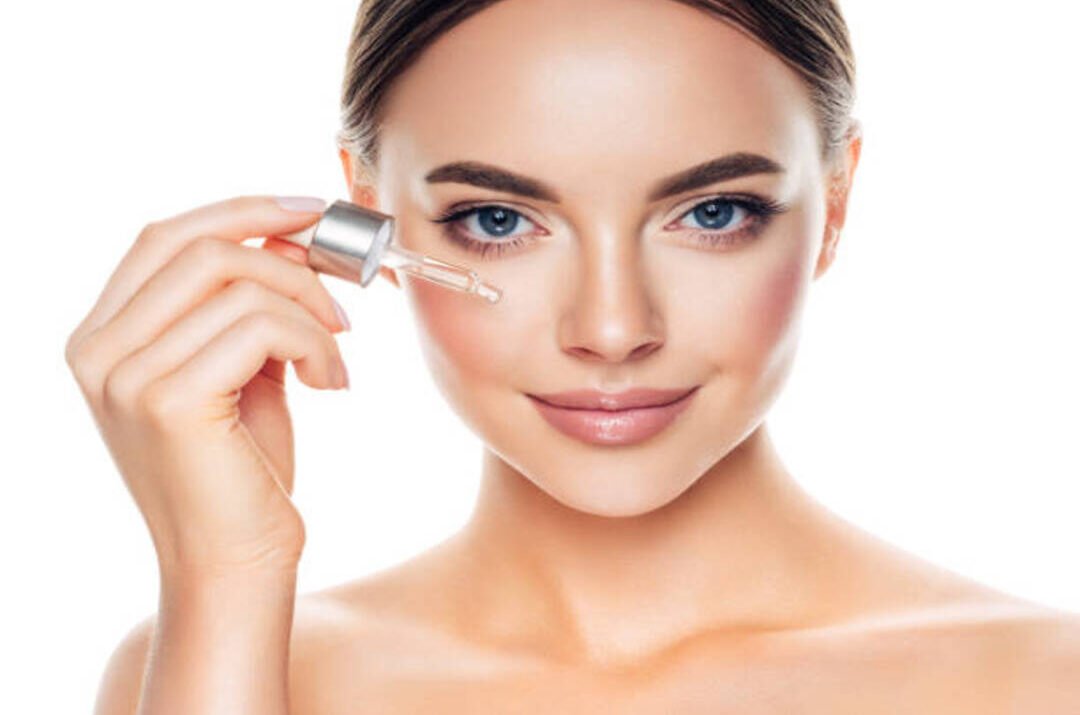
- Apply Serum: Use 2–3 drops and press gently into the skin.
- Moisturize: Seal it in with a moisturizer.
- Sunscreen: Use SPF 30+ every morning — essential when using actives like retinol or vitamin C.
Pro Tip: Consistency is key — most serums take 4–8 weeks to show visible results.
When to Expect Results
Real results take time. You may notice:
- Immediate hydration within a few days
- Brighter tone after 2–3 weeks
- Reduced fine lines and improved firmness after 6–8 weeks of consistent use
Patience and consistency are crucial for lasting effects.
Final Thoughts
The best anti-aging serums aren’t about fancy packaging or celebrity endorsements — they’re about science-backed ingredients that work harmoniously with your skin.
When choosing a serum, look for retinol, vitamin C, peptides, hyaluronic acid, and antioxidants. Use it consistently and combine it with a healthy lifestyle, balanced diet, and daily sun protection for visible, long-term results.
Frequently Asked Questions (FAQs)
How often should I use an anti-aging serum?
Most serums can be used once or twice daily, depending on the active ingredients. Retinol-based serums are best used at night.
Can I layer different serums together?
Yes, but introduce them slowly and avoid layering too many actives like retinol and acids simultaneously.
Are natural anti-aging serums effective?
Yes, serums containing natural antioxidants like green tea, rosehip oil, and vitamin C can deliver great results if properly formulated.
When should I start using anti-aging products?
It’s ideal to start in your mid-20s to early 30s — prevention is easier than reversal.
How long before I see visible changes?
Typically, results appear within 6–8 weeks of consistent use.