



Your skin barrier plays a vital role in protecting your body from environmental toxins, bacteria, and moisture loss. When it’s compromised, you may experience dryness, irritation, redness, and breakouts. Fortunately, natural oils like jojoba oil can help restore and maintain a healthy skin barrier—without harsh chemicals or synthetic ingredients.
In this post, we’ll dive into what the skin barrier is, how it becomes damaged, and how jojoba oil supports skin barrier repair, hydration, and natural skin balance. Plus, we’ll explore how to use jojoba oil for different skin types and incorporate it into your skincare routine.
What is the Skin Barrier?
Your skin barrier, also known as the stratum corneum, is the outermost layer of your skin. It consists of skin cells (corneocytes) and lipids that work together to:
- Lock in moisture
- Defend against environmental irritants
- Maintain pH balance
- Prevent trans-epidermal water loss (TEWL)
When functioning properly, your skin barrier keeps your skin smooth, hydrated, and resilient. But when damaged, it can become inflamed, sensitive, and prone to conditions like eczema, acne, and rosacea.
Signs of a Damaged Skin Barrier
A compromised skin barrier may manifest in many ways. Common signs include:
- Dryness and flakiness
- Redness and inflammation
- Sensitivity to skincare products
- Itchy or tight skin
- Breakouts or acne flare-ups
If you’re experiencing any of these symptoms, restoring your skin barrier should be a top priority—and jojoba oil may be your skin’s best natural ally.
What is Jojoba Oil?
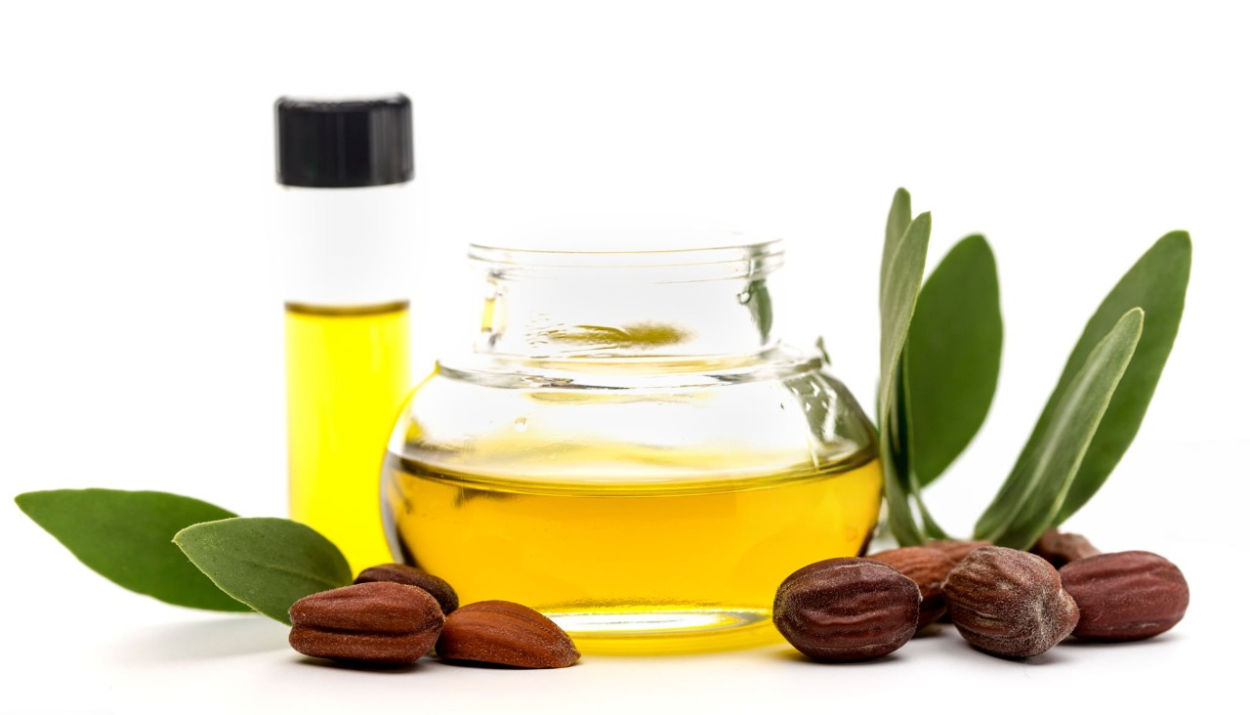
Jojoba oil is a golden liquid wax extracted from the seeds of the Simmondsia chinensis plant, native to arid regions of North America. Though commonly called an oil, jojoba is actually a wax ester, making it structurally similar to human sebum (your skin’s natural oil).
Because of this, jojoba oil is biocompatible, meaning your skin recognizes and readily absorbs it without clogging pores or triggering reactions. This makes it an excellent choice for balancing oily skin, hydrating dry skin, and repairing the skin barrier.
How Jojoba Oil Supports the Skin Barrier
Here’s why jojoba oil is so effective at naturally balancing your skin barrier:
1. Mimics Skin’s Natural Sebum
Jojoba oil’s molecular structure closely resembles human sebum. When applied topically, it helps regulate oil production, preventing both excessive dryness and overactive sebaceous glands.
2. Strengthens Lipid Barrier
Jojoba oil reinforces the skin’s natural lipid barrier by filling in the gaps between skin cells, sealing in moisture, and protecting against TEWL.
3. Anti-Inflammatory Properties
Rich in vitamin E and antioxidants, jojoba oil helps calm inflammation, reduce redness, and soothe irritation—essential for healing a compromised barrier.
4. Antimicrobial and Non-Comedogenic
Jojoba oil has mild antimicrobial properties that help prevent acne-causing bacteria without disrupting the skin’s microbiome. It’s non-comedogenic, meaning it won’t clog pores.
5. Rich in Nutrients
It contains essential fatty acids, vitamins A, D, and E, and natural antioxidants that nourish and rejuvenate your skin.
Who Can Benefit from Jojoba Oil?
Jojoba oil is suitable for all skin types—including sensitive, acne-prone, and mature skin. Here’s how different skin types benefit:
- Dry Skin: Deep hydration without greasiness
- Oily Skin: Regulates sebum production
- Combination Skin: Balances uneven oil levels
- Acne-Prone Skin: Prevents breakouts and calms inflammation
- Sensitive Skin: Soothes irritation and reduces redness
- Aging Skin: Smooths fine lines and improves elasticity
How to Use Jojoba Oil to Balance the Skin Barrier
Here are some dermatologist-recommended ways to incorporate jojoba oil into your daily routine for optimal skin barrier health:
1. As a Moisturizer
Apply 2–3 drops of jojoba oil on damp skin after cleansing. Massage gently until absorbed. It acts as both an emollient (softens skin) and an occlusive (seals in moisture).
2. Add to Your Cream or Serum
Mix a drop or two of jojoba oil into your favorite moisturizer or serum to boost its hydrating power.
3. Double Cleansing
Use jojoba oil as the first step in a double cleansing routine to gently remove makeup, sunscreen, and excess sebum without stripping the skin.
4. Spot Treatment for Irritated Skin
Dab a small amount onto areas affected by dryness, eczema, or irritation for targeted relief.
5. Overnight Skin Repair
Use jojoba oil as an overnight treatment. After cleansing and applying serum, massage 3–4 drops of jojoba oil into your skin and let it work while you sleep.
Scientific Support for Jojoba Oil in Skincare
Several studies support the use of jojoba oil in restoring skin health:
- A 2012 study published in Complementary Medicine Research found that jojoba oil masks significantly reduced skin lesions and promoted healing.
- Research also shows jojoba oil exhibits anti-inflammatory effects that help soothe irritated skin and improve barrier function.
- Jojoba’s wax esters are highly resistant to oxidation, making it a stable, long-lasting ingredient in skincare formulations.
Complementary Ingredients That Work with Jojoba Oil
To enhance jojoba oil’s benefits for the skin barrier, you can pair it with:
- Ceramides: Help rebuild the lipid layer
- Niacinamide: Reduces inflammation and strengthens the skin
- Hyaluronic Acid: Hydrates and plumps the skin
- Aloe Vera: Calms and soothes irritated skin
- Colloidal Oatmeal: Soothes itchiness and supports barrier repair
Jojoba oil works synergistically with these ingredients, making it a versatile base for natural skincare blends.
Common Myths About Jojoba Oil
Let’s bust a few common myths:
- Myth: Jojoba oil causes breakouts.
Fact: It’s non-comedogenic and can actually help reduce acne when used correctly. - Myth: Oils don’t hydrate skin.
Fact: Jojoba oil seals in hydration and prevents moisture loss. - Myth: Only dry skin needs oil.
Fact: Oily and acne-prone skin also benefit from the balancing properties of jojoba oil.
Tips for Choosing Quality Jojoba Oil
To get the most benefits, always choose:
- Cold-pressed jojoba oil (retains nutrients)
- Organic and unrefined (free from pesticides and chemicals)
- Dark glass bottle packaging (prevents oxidation)
Avoid jojoba oil with added fragrances, preservatives, or fillers, as these can irritate the skin and disrupt the barrier.
Final Thoughts
Jojoba oil is one of nature’s most skin-friendly ingredients. By mimicking your skin’s natural oils and supporting its lipid barrier, it helps rebalance moisture levels, calm irritation, and protect against environmental damage.
Whether your skin is oily, dry, or sensitive, incorporating jojoba oil into your skincare routine is a simple yet powerful way to naturally balance and heal your skin barrier.