



Uneven skin tone is one of the most common skincare concerns worldwide. Dark spots, hyperpigmentation, redness, and post-acne marks often make skin appear dull or patchy, even when it is otherwise healthy. Among natural skincare oils, rosehip oil has gained consistent attention for its potential to support brighter, more balanced-looking skin. But does it actually help even out skin tone, or is it just another trending ingredient?
This in-depth guide explores how rosehip oil works, what makes it unique, and whether it can genuinely support skin tone improvement when used correctly.
Understanding Uneven Skin Tone
Uneven skin tone refers to visible variations in skin color or texture across the face or body. These differences may appear as darker patches, redness, blotchiness, or lingering marks after breakouts.
Common Causes of Uneven Skin Tone
Uneven pigmentation does not develop overnight. It is usually the result of multiple internal and external factors:
- Sun exposure: UV radiation triggers excess melanin production
- Post-inflammatory hyperpigmentation: Marks left after acne or irritation
- Hormonal changes: Often linked to melasma
- Skin aging: Slower cell turnover can cause discoloration
- Environmental stressors: Pollution and free radicals
Addressing uneven skin tone requires ingredients that support skin renewal, barrier repair, and pigment balance over time.
What Is Rosehip Oil?
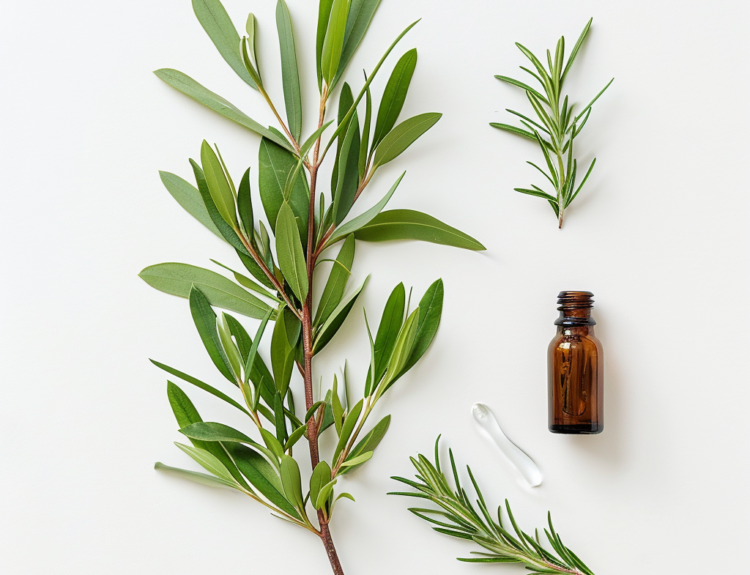
Rosehip oil is extracted from the seeds of rose bushes, most commonly Rosa canina or Rosa rubiginosa. Unlike rose essential oil, rosehip oil contains no fragrance compounds and is prized for its nutrient profile rather than scent.
Key Nutrients Found in Rosehip Oil
Rosehip oil stands out due to its naturally occurring bioactive compounds:
- Vitamin A (retinoic acid derivatives)
- Vitamin C (ascorbic acid traces)
- Essential fatty acids (linoleic and linolenic acid)
- Antioxidants and polyphenols
These components work together to support skin regeneration and overall tone balance.
How Rosehip Oil May Help Even Out Skin Tone
Rosehip oil does not bleach or instantly change skin color. Instead, it supports multiple biological processes that contribute to a more uniform appearance over time.
Supports Skin Cell Turnover
Natural vitamin A compounds in rosehip oil encourage gentle cell renewal. Regular turnover helps fade the appearance of dark spots by gradually replacing pigmented cells with newer ones.
Unlike synthetic retinoids, rosehip oil’s vitamin A content is milder, making it suitable for long-term use without aggressive irritation when applied correctly.
Helps Reduce the Look of Hyperpigmentation
Hyperpigmentation occurs when melanin accumulates in specific areas. Rosehip oil contains antioxidants that may help regulate oxidative stress, one of the triggers for excess pigment production.
With consistent use, this can contribute to a gradual reduction in the appearance of dark spots and uneven patches.
Brightens Dull or Tired Skin
The naturally occurring vitamin C in rosehip oil plays a role in supporting brightness. While it is not as concentrated as standalone vitamin C serums, it still contributes to a healthier glow when used consistently.
Improved brightness often translates to skin that appears more even, even if pigmentation issues are mild.
Strengthens the Skin Barrier
A compromised skin barrier can worsen redness, inflammation, and uneven tone. Rosehip oil is rich in essential fatty acids that help reinforce the skin’s natural lipid layer.
A stronger barrier leads to:
- Reduced sensitivity
- Better moisture retention
- Less inflammation-related discoloration
Helps Calm Redness and Inflammation
Inflammation is a major contributor to uneven tone, especially in acne-prone or sensitive skin. Rosehip oil has soothing properties that may help reduce visible redness and irritation, leading to a more balanced complexion.
Rosehip Oil vs Other Skin Tone–Evening Ingredients
Understanding where rosehip oil fits among other popular skincare ingredients helps set realistic expectations.
Rosehip Oil vs Vitamin C Serums
- Vitamin C serums work faster for brightening
- Rosehip oil offers slower, supportive results
- Rosehip oil is generally gentler on sensitive skin
Rosehip oil is best viewed as a supportive, long-term solution rather than an instant brightening treatment.
Rosehip Oil vs Retinol
- Retinol provides stronger exfoliation and faster pigment fading
- Rosehip oil offers mild vitamin A benefits with less irritation
- Rosehip oil is better for beginners or sensitive skin
Rosehip Oil vs Niacinamide
- Niacinamide targets oil control and barrier repair
- Rosehip oil focuses more on nourishment and regeneration
- Both can complement each other in a routine
How to Use Rosehip Oil for Skin Tone Improvement
Correct usage is essential to see results.
Best Time to Apply Rosehip Oil
Rosehip oil is best applied:
- In the evening, due to its vitamin A content
- As the final step to seal in hydration
Daytime use is possible, but sunscreen is mandatory.
Step-by-Step Application Guide
- Cleanse skin thoroughly
- Apply toner or lightweight serum (optional)
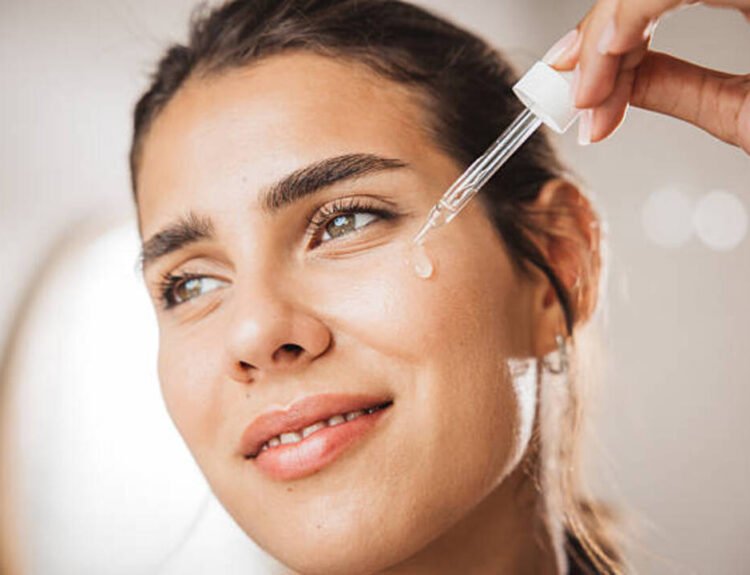
- Use 2–3 drops of rosehip oil
- Gently press into the skin
- Follow with moisturizer if needed
Over-application does not speed up results and may clog pores.
How Long Does It Take to See Results?
Skin tone improvements from rosehip oil typically appear gradually:
- 2–4 weeks: Improved hydration and glow
- 6–8 weeks: Subtle brightening and smoother tone
- 12+ weeks: Visible reduction in mild pigmentation
Consistency is more important than quantity.
Who Should Use Rosehip Oil?
Rosehip oil is suitable for many skin types, but results vary.
Suitable Skin Types
- Dry and dehydrated skin
- Normal and combination skin
- Mature skin with uneven tone
- Sensitive skin (patch testing recommended)
Acne-Prone Skin Considerations
Rosehip oil has a low to moderate comedogenic rating and contains linoleic acid, which is often beneficial for acne-prone skin. However, individuals with very oily or congested skin should introduce it slowly.
Potential Side Effects and Precautions
Although rosehip oil is generally well tolerated, it is not entirely risk-free.
Possible Reactions
- Mild irritation in very sensitive skin
- Breakouts if overused
- Increased sun sensitivity without SPF
A patch test is recommended before full-face application.
Choosing the Right Rosehip Oil
Not all rosehip oils are equal.
What to Look For
- Cold-pressed extraction
- Organic or minimally processed
- Dark glass packaging
- No added fragrance or fillers
Freshness matters, as rosehip oil can oxidize over time.
Can Rosehip Oil Replace Other Skin Tone Treatments?
Rosehip oil works best as part of a balanced routine rather than as a standalone treatment. For stubborn hyperpigmentation, combining it with sunscreen, gentle exfoliation, and targeted serums may produce better results.
It should be viewed as a supportive ingredient, not a quick fix.
Final Thoughts
Rosehip oil can help improve the appearance of uneven skin tone, but results are gradual and depend on consistent use. Its strength lies in supporting skin regeneration, calming inflammation, reinforcing the skin barrier, and enhancing overall radiance.
While it may not replace clinical treatments or potent actives, rosehip oil offers a natural, gentle option for individuals seeking long-term skin tone balance without harsh side effects.
For those prioritizing skin health alongside tone correction, rosehip oil remains a valuable addition to a well-structured skincare routine.