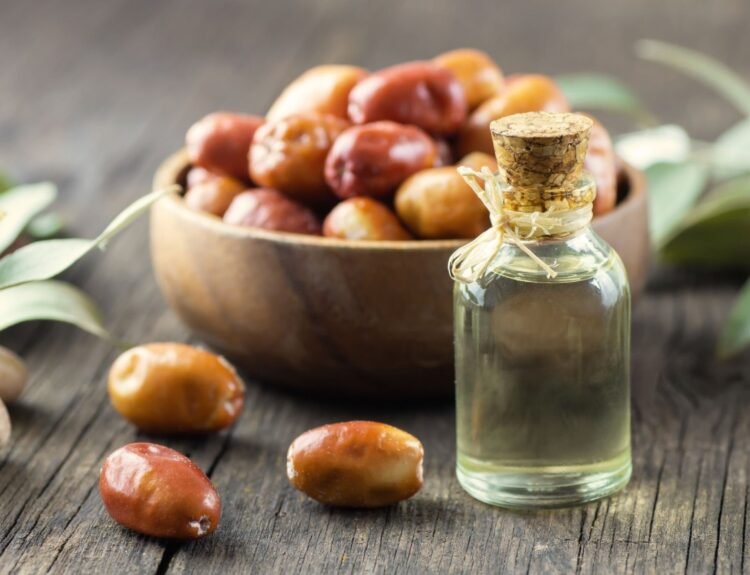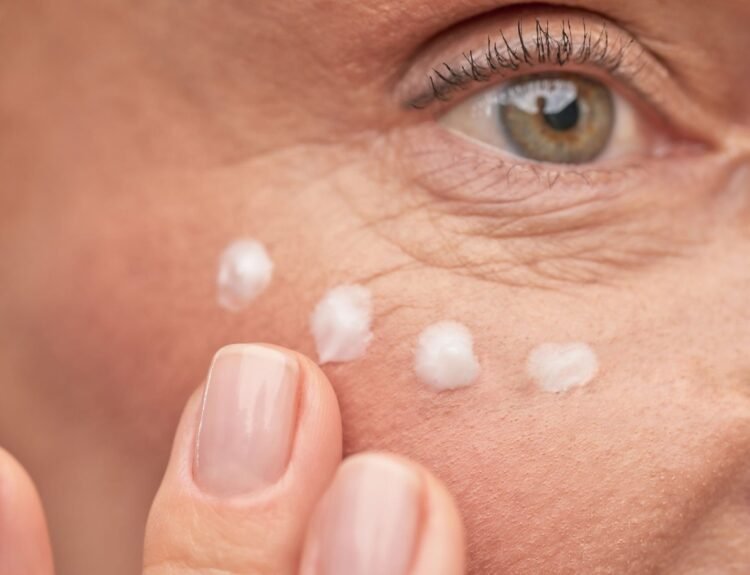




When it comes to skincare, facial oils have become a game-changer. From hydration to anti-aging benefits, the right oil can transform your routine. But here’s the catch — not all oils suit every skin type. Choosing the wrong one can lead to clogged pores, irritation, or excessive dryness.
In this guide, we’ll explore how to pick the perfect oil for your skin type, what to avoid, and how to use oils effectively in your routine.
Why Oils Matter in Skincare
For decades, people believed oils caused breakouts or made skin greasy. However, science has proven otherwise. Natural oils are packed with:
- Essential fatty acids – restore skin barrier function.
- Antioxidants – protect against free radical damage.
- Vitamins – like Vitamin E, C, and A that nourish the skin.
- Moisture-locking properties – prevent water loss and improve hydration.
When matched correctly with your skin type, oils can balance sebum, calm irritation, and even improve elasticity.
Understanding Your Skin Type
Before choosing an oil, you need to know your skin type. Here’s a quick breakdown:
1. Oily Skin
- Shiny appearance, especially on the T-zone.
- Enlarged pores and frequent breakouts.
- Needs oils that regulate sebum without clogging pores.
2. Dry Skin
- Feels tight and flaky.
- Lacks natural oils and struggles with hydration.
- Needs nourishing, rich oils that restore moisture.
3. Combination Skin
- Oily in some areas (usually T-zone) and dry in others.
- Needs a balance between lightweight and hydrating oils.
4. Sensitive Skin
- Easily irritated, prone to redness and reactions.
- Requires soothing, gentle oils with anti-inflammatory benefits.
5. Normal Skin
- Balanced sebum production.
- Can tolerate a variety of oils but benefits most from lightweight hydration and antioxidants.
Best Oils for Each Skin Type
Let’s break down the oils that work best depending on your skin’s unique needs.
Oils for Oily and Acne-Prone Skin
Oily skin doesn’t need heavy oils. Instead, look for non-comedogenic oils that balance sebum and fight acne-causing bacteria.
- Jojoba Oil – Mimics natural sebum, balances oil production.
- Grapeseed Oil – Lightweight, contains linoleic acid to reduce clogged pores.
- Tea Tree Oil – Antibacterial, helps calm breakouts (use diluted).
- Rosehip Oil – Rich in Vitamin A, reduces acne scars and improves skin tone.
Tip: Stick with lightweight oils and always patch-test.
Oils for Dry Skin
Dry skin thrives on rich, deeply nourishing oils that restore lost moisture.
- Avocado Oil – Packed with Vitamin E and oleic acid, deeply hydrating.
- Argan Oil – Known as “liquid gold,” full of antioxidants and fatty acids.
- Marula Oil – Absorbs quickly while still intensely moisturizing.
- Olive Oil – Restores moisture barrier (better for body than face).
Tip: Apply oils on damp skin to lock in hydration.
Oils for Combination Skin
Combination skin needs oils that hydrate dry patches without making oily areas worse.
- Jojoba Oil – Balances both dry and oily areas.
- Rosehip Oil – Provides hydration without greasiness.
- Squalane Oil – Lightweight, non-comedogenic, and suits all zones.
Tip: Use oils only on dry areas if your T-zone is very oily.
Oils for Sensitive Skin
Sensitive skin requires soothing oils that calm inflammation.
- Calendula Oil – Anti-inflammatory, reduces redness.
- Chamomile Oil – Gentle, calming, reduces irritation.
- Sweet Almond Oil – Mild, hydrating, improves skin barrier.
- Marula Oil – Gentle and hydrating with antioxidant properties.
Tip: Avoid essential oils that may irritate sensitive skin unless diluted.
Oils for Normal Skin
Normal skin can experiment with different oils since it’s well-balanced.
- Argan Oil – Boosts hydration and glow.
- Rosehip Oil – Prevents premature aging.
- Squalane Oil – Lightweight, keeps skin soft.
- Camellia Oil – Rich in antioxidants, promotes elasticity.
Tip: Choose oils based on your skin goals (anti-aging, hydration, or glow).
How to Use Oils in Your Skincare Routine
Knowing which oil suits your skin type is half the job — using it correctly is equally important.
1. Cleansing Oil (First Step)
Oils like jojoba, grapeseed, or sunflower are excellent for oil cleansing. They dissolve makeup and sunscreen while keeping skin soft.
2. As a Moisturizer
Apply 2–3 drops of your chosen oil after applying serum or moisturizer to lock in hydration.
3. Mixing with Creams
Add a drop of oil into your moisturizer for an extra boost of hydration.
4. Spot Treatment
Certain oils like tea tree or rosehip can be used on acne spots or scars.
Always use oils after water-based products so they can lock in hydration.
Final Thoughts
The right oil can make your skin healthier, more radiant, and better protected. The key is choosing based on your skin type rather than following trends. Whether you have oily, dry, sensitive, or combination skin, there’s an oil that can support your skincare goals.
Start small, patch-test, and let your skin guide you. With consistency, facial oils can become one of the most effective steps in your skincare routine.
Frequently Asked Questions (FAQs)
Can oily skin use facial oils?
Yes. Lightweight oils like jojoba and grapeseed can balance sebum production without clogging pores.
Should I apply oil before or after moisturizer?
Always apply oils after water-based products and moisturizer to lock in hydration.
Can facial oils replace moisturizers?
Not always. Oils lock in hydration but don’t provide water. For best results, use both.
Are essential oils safe for the face?
Some are safe when diluted (like tea tree), but many can cause irritation. Always patch-test.
How do I know if an oil is comedogenic?
Check its comedogenic rating. Oils like coconut are high (can clog pores), while jojoba and squalane are low.