


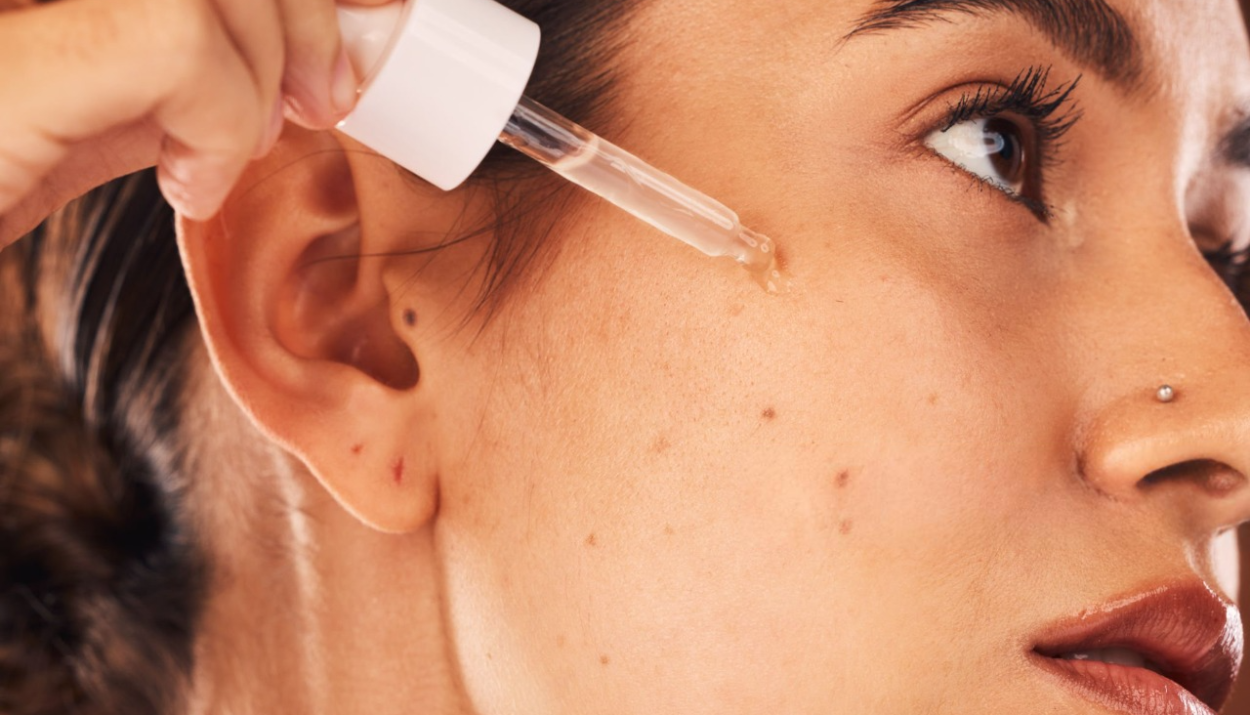

Acne serums are powerful tools in the battle against breakouts—but for many people, these products can come with an annoying side effect: dry, irritated skin. The key to using acne serum effectively is understanding the balance between clearing up blemishes and maintaining skin hydration.
In this guide, we’ll walk you through how to use acne serums the right way, avoid over-drying, and build a skin routine that supports healthy, glowing skin.
Understanding How Acne Serums Work
Before we dive into how to prevent dryness, it’s important to understand what acne serums are and how they work. Acne serums typically contain active ingredients such as:
- Salicylic Acid: A beta-hydroxy acid (BHA) that exfoliates the skin and unclogs pores.
- Benzoyl Peroxide: Kills acne-causing bacteria but can be very drying.
- Niacinamide: A gentler, anti-inflammatory ingredient that can soothe and reduce redness.
- Tea Tree Oil: A natural antibacterial agent with fewer side effects than harsh chemicals.
- Retinoids: Help speed up cell turnover but can lead to peeling or flaking.
Each of these ingredients plays a role in treating acne, but they can also strip the skin of its natural oils—leading to dryness, irritation, and flakiness.
Signs You’re Overusing Your Acne Serum
Even if your acne is stubborn, more is not always better. Here are some signs that your skin might be drying out due to overuse of acne serum:
- Tight, itchy, or flaky skin
- Redness or burning sensation
- Increased oil production (a rebound effect)
- Dull or uneven skin texture
- Breakouts that worsen over time (from barrier damage)
If you notice any of these, your skin barrier may be compromised, and it’s time to adjust your routine.
Step-by-Step Guide: Using Acne Serum Without Drying Out
Here’s a skin-friendly approach to using acne serum:
1. Start With a Gentle Cleanser
Begin with a hydrating or non-foaming cleanser that won’t strip your skin’s natural oils. Look for ingredients like:
- Glycerin
- Hyaluronic acid
- Aloe vera
Avoid harsh cleansers with sulfates or alcohols. Over-cleansing can weaken your skin barrier and worsen dryness.
2. Apply Acne Serum to Clean, Dry Skin
Once your face is clean and pat-dried with a towel, apply a pea-sized amount of your acne serum. Avoid areas where the skin is naturally thin or sensitive (like around the eyes or lips).
Pro Tip: If you’re new to active ingredients, try applying serum every other day instead of daily, allowing your skin time to adjust.
3. Use the “Moisture Sandwich” Method
A great way to avoid dryness is the “moisture sandwich” technique:
- Step 1: Light mist or dampen your face with toner or water
- Step 2: Apply acne serum while the skin is slightly damp
- Step 3: Seal in hydration with a moisturizing cream
This method locks moisture into the skin and reduces the chance of irritation from actives.
4. Choose a Barrier-Repair Moisturizer
Hydration is key. Look for ceramide-rich and fragrance-free moisturizers that help restore the skin barrier. Ingredients to look for:
- Ceramides
- Squalane
- Panthenol (Vitamin B5)
- Hyaluronic acid
- Centella Asiatica (Cica)
Even oily or acne-prone skin needs moisture. Skipping this step will make dryness worse.
5. Avoid Layering Too Many Actives
If you’re using products with multiple active ingredients (like AHAs, BHAs, or retinoids), layering them can overwhelm your skin.
Try this simplified routine:
- AM: Cleanser → Moisturizer → SPF
- PM: Cleanser → Acne Serum → Moisturizer
This ensures your skin gets treated without being overloaded.
6. Introduce Products Slowly
Don’t add multiple new products at once. Introduce acne serum slowly—2–3 times a week—and gradually increase as tolerated.
Watch how your skin reacts over time. If irritation appears, scale back and give your skin a break.
Bonus Tips to Prevent Dryness from Acne Treatment
Here are a few additional strategies for keeping your skin balanced and hydrated while using acne serum:
Use a Humidifier at Night
If you live in a dry climate or use indoor heating/AC, adding moisture to the air can help your skin retain hydration overnight.
Apply Sunscreen Daily
Acne treatments can make your skin more sensitive to the sun. Always apply a broad-spectrum SPF 30+ in the morning to prevent further irritation and damage.
Stay Hydrated From Within
Healthy skin starts from the inside. Drink plenty of water throughout the day to support skin elasticity and hydration.
Don’t Skip Moisturizer
Even if your skin feels oily, always moisturize. Dehydrated skin produces more oil to compensate, which can actually cause more breakouts.
Don’t Over-Exfoliate
Limit exfoliation to 1–2 times per week, and avoid scrubbing aggressively. Use gentle exfoliants like PHA or low-percentage BHA/AHA products.
Common Questions About Using Acne Serum
- Can I use acne serum every day?
- It depends on the formula and your skin type. For sensitive or dry skin, start with 2–3 times a week and build up. Always follow with a moisturizer.
- What should I do if my skin feels dry after applying serum?
- Stop using it for a few days and focus on barrier repair. Use hydrating masks, ceramide creams, and avoid actives until your skin calms down.
- Should I apply acne serum before or after moisturizer?
- Serums generally go on before moisturizers. However, if it stings or feels too strong, try applying a thin layer of moisturizer first as a buffer.
- Can I use other treatments with acne serum?
- Yes, but be cautious. Avoid combining multiple strong actives like retinol, vitamin C, and AHAs/BHAs unless directed by a dermatologist.
Build a Balanced Skincare Routine for Acne-Prone Skin
Here’s an ideal routine for acne-prone skin that prevents dryness:
Morning:
- Gentle Cleanser
- Hydrating Toner (optional)
- Lightweight Moisturizer
- Broad-Spectrum Sunscreen
Evening:
- Gentle Cleanser
- Acne Serum (2–4x/week based on tolerance)
- Hydrating Serum (like hyaluronic acid on off days)
- Barrier-Repair Moisturizer
Final Thoughts
Acne serums don’t have to come at the cost of hydration. By choosing the right products, using them in moderation, and supporting your skin’s barrier with nourishing ingredients, you can enjoy the benefits of acne treatments without the dryness and flakiness.
Remember: Healthy skin is balanced skin. Treat your acne gently, hydrate consistently, and listen to your skin’s signals.






2 Comments
Testymo
4 years agoThis is really amazing! Aliquid ex ea commodi consequatur?