



Keeping your skin hydrated throughout the day can feel like a constant challenge, especially with changing weather, pollution, and harsh skincare products. Many moisturizers either feel too heavy or fail to deliver long-lasting hydration. This is where jojoba oil stands out as a natural, skin-friendly solution.
Jojoba oil is not just another beauty trend – it’s a scientifically backed skincare ingredient known for its ability to mimic the skin’s natural oils. This unique property helps maintain hydration while balancing oil production, making it suitable for almost every skin type.
In this guide, we’ll explore how jojoba oil works, its benefits for hydration, and how you can incorporate it into your daily skincare routine.
What Is Jojoba Oil?
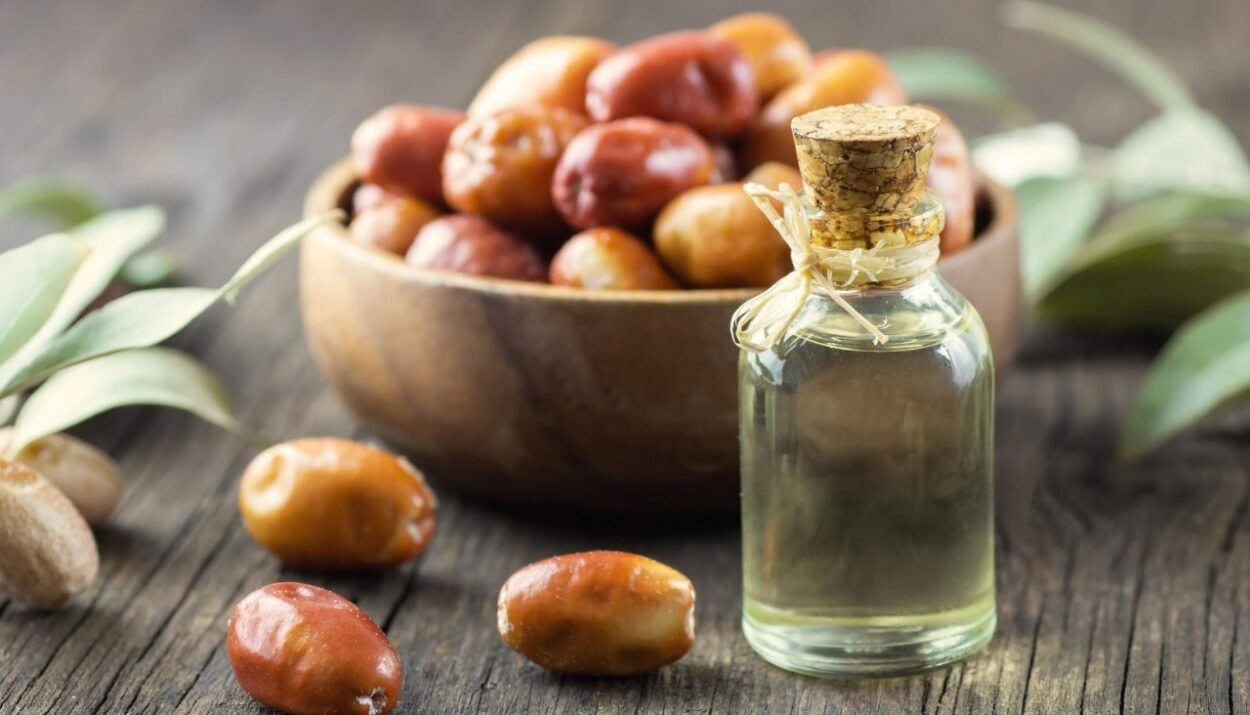
Jojoba oil is extracted from the seeds of the jojoba plant. Unlike most oils, it is technically a liquid wax ester, which closely resembles human sebum—the natural oil produced by our skin.
Why This Matters for Hydration
Because of its similarity to sebum, jojoba oil:
- Absorbs quickly without clogging pores
- Helps regulate oil production
- Strengthens the skin barrier
- Provides long-lasting moisture
This makes it an excellent choice for maintaining skin balance throughout the day.
How Jojoba Oil Hydrates the Skin
1. Locks in Moisture Without Greasiness
Jojoba oil forms a lightweight protective layer on the skin. This layer prevents water loss while still allowing the skin to breathe.
2. Mimics Natural Skin Oils
When your skin lacks moisture, it often produces excess oil to compensate. Jojoba oil signals the skin that enough oil is present, helping reduce overproduction.
3. Supports the Skin Barrier
A healthy skin barrier is essential for hydration. Jojoba oil contains nutrients that repair and strengthen this barrier, preventing dryness and irritation.
Key Benefits of Jojoba Oil for Hydration
Deep, Long-Lasting Moisture
Unlike water-based moisturizers that evaporate quickly, jojoba oil provides hydration that lasts throughout the day.
Balances Oily and Dry Skin
It hydrates dry areas while controlling excess oil, making it ideal for combination skin.
Non-Comedogenic
Jojoba oil does not clog pores, reducing the risk of breakouts.
Soothes Sensitive Skin
Its anti-inflammatory properties help calm redness, irritation, and dryness.
Rich in Vitamins and Antioxidants
It contains vitamin E and essential fatty acids that nourish and protect the skin.
Is Jojoba Oil Suitable for All Skin Types?
For Dry Skin
Jojoba oil replenishes lost moisture and prevents flakiness.
For Oily Skin
It helps regulate sebum production, reducing shine and breakouts.
For Sensitive Skin
Its gentle composition minimizes irritation and supports skin repair.
For Acne-Prone Skin
Its antibacterial properties may help reduce acne-causing bacteria.
How to Use Jojoba Oil for Maximum Hydration
1. As a Daily Moisturizer
Apply 2–3 drops to clean, slightly damp skin. This helps lock in moisture effectively.
2. Mix with Your Cream
Add a few drops to your regular moisturizer to boost hydration.
3. As a Night Treatment
Use jojoba oil before bed to allow deep absorption overnight.
4. As a Makeup Base
Its lightweight texture creates a smooth base for makeup while keeping skin hydrated.
5. For Targeted Dry Areas
Apply directly to rough patches like elbows, knees, or around the nose.
Jojoba Oil vs Other Hydrating Oils
Jojoba Oil vs Coconut Oil
- Jojoba oil is lightweight and non-comedogenic
- Coconut oil can clog pores for some skin types
Jojoba Oil vs Argan Oil
- Jojoba oil balances oil production
- Argan oil is richer and better for very dry skin
Jojoba Oil vs Rosehip Oil
- Jojoba focuses on hydration and balance
- Rosehip is more targeted toward anti-aging and repair
Common Mistakes to Avoid
Using Too Much
A few drops are enough. Overuse can make the skin feel greasy.
Applying on Dry Skin Only
For best results, apply on damp skin to lock in hydration.
Not Patch Testing
Always test on a small area before full application, especially if you have sensitive skin.
Tips to Enhance Hydration Results
- Use jojoba oil after cleansing when pores are open
- Pair with a gentle cleanser to avoid stripping natural oils
- Stay hydrated internally by drinking enough water
- Avoid harsh skincare products that disrupt the skin barrier
Why Jojoba Oil Is a Must-Have in Your Skincare Routine
Jojoba oil is more than just a moisturizer—it’s a skin-balancing solution. Its ability to hydrate without heaviness makes it ideal for daily use. Whether your skin is dry, oily, or sensitive, this versatile oil adapts to your needs.
In a world full of complicated skincare routines, jojoba oil offers a simple, effective way to maintain healthy, hydrated skin all day long.
Final Thoughts
If you’re looking for a natural way to keep your skin hydrated and balanced, jojoba oil is an excellent choice. Its lightweight texture, compatibility with all skin types, and long-lasting hydration make it a staple in modern skincare.
By incorporating jojoba oil into your daily routine, you can achieve smoother, healthier skin without relying on heavy or chemical-based products.