


Maintaining healthy, radiant skin starts with one essential step — moisturizing. Whether you have oily, dry, combination, or sensitive skin, hydration plays a crucial role in keeping your skin balanced, soft, and resilient. Yet, with so many synthetic creams and serums available, it’s easy to overlook the natural ingredients that can nourish your skin just as effectively — often without irritation or harsh chemicals.
In this guide, we’ll explore the best natural moisturizing ingredients that suit every skin type and help you achieve a glowing complexion naturally.
Why Moisturizing Is Essential for Every Skin Type
Moisturizing isn’t just about keeping your skin soft — it’s about protecting your skin barrier. Your skin barrier acts as a shield against environmental stress, pollution, and bacteria. When it becomes dry or damaged, problems like flaking, irritation, acne, and premature aging arise.
A common misconception is that oily skin doesn’t need moisturizer. In fact, skipping moisturizer can trigger your skin to produce more oil to compensate for dryness. Likewise, dry skin needs emollients to restore lost lipids, while combination skin needs lightweight hydration to maintain balance.
In short, moisturizing is a universal skincare step, but choosing the right natural ingredients makes all the difference.
How to Choose Natural Moisturizers According to Skin Type
Every skin type has different hydration needs:
- Dry skin needs rich emollients that restore the lipid barrier.
- Oily skin benefits from lightweight, non-comedogenic hydrators that regulate sebum.
- Combination skin needs balance — something hydrating but not greasy.
- Sensitive skin needs soothing, fragrance-free natural ingredients.
- Normal skin thrives with simple, gentle hydration.
When choosing natural moisturizers, read ingredient labels carefully. Look for humectants (that attract water), emollients (that soften), and occlusives (that lock in moisture).
Best Natural Moisturizing Ingredients for All Skin Types
Here are some of the most effective natural ingredients that hydrate, protect, and rejuvenate your skin — no matter your type.
1. Aloe Vera – The Universal Hydrator
Aloe vera is a staple in natural skincare for a reason. Its gel-like consistency provides instant hydration while calming irritation and redness. Rich in vitamins A, C, and E, it soothes inflamed skin and helps repair sun damage.
- Best for: All skin types, especially sensitive and acne-prone skin.
- Tip: Use pure aloe vera gel as a lightweight moisturizer or blend it with oils like jojoba for added nourishment.
2. Hyaluronic Acid – The Moisture Magnet
Although often listed in modern skincare, hyaluronic acid is naturally derived from plants. It holds up to 1,000 times its weight in water, helping your skin retain moisture throughout the day.
- Best for: Dry and combination skin.
- Tip: Apply to damp skin before sealing with a cream or oil to lock in hydration.
3. Jojoba Oil – Balances Oil Production
Extracted from the jojoba plant, jojoba oil closely mimics your skin’s natural sebum. It hydrates without clogging pores and helps regulate oil production.
- Best for: Oily, acne-prone, and combination skin.
- Tip: A few drops after cleansing can balance oil levels while preventing breakouts.
4. Shea Butter – Deep Nourishment for Dry Skin
Shea butter is a powerhouse moisturizer loaded with fatty acids and vitamins A, E, and F. It deeply nourishes and locks in moisture, making it ideal for rough or flaky skin.
- Best for: Dry and mature skin.
- Tip: Use as a night treatment or body butter to restore elasticity and smoothness.
5. Glycerin – The Humectant Hero
A naturally derived humectant, glycerin draws moisture from the air into your skin, helping it stay hydrated and plump. It’s gentle, non-irritating, and works well even for sensitive skin.
- Best for: All skin types.
- Tip: Look for natural plant-based glycerin in moisturizers or DIY masks.
6. Coconut Oil – The Classic Natural Moisturizer
Coconut oil is rich in lauric acid and medium-chain fatty acids that soften, heal, and protect the skin. It’s antibacterial and anti-inflammatory, but should be used cautiously on oily or acne-prone skin.
- Best for: Normal to dry skin.
- Tip: Apply a thin layer to damp skin to seal in moisture, especially during winter.
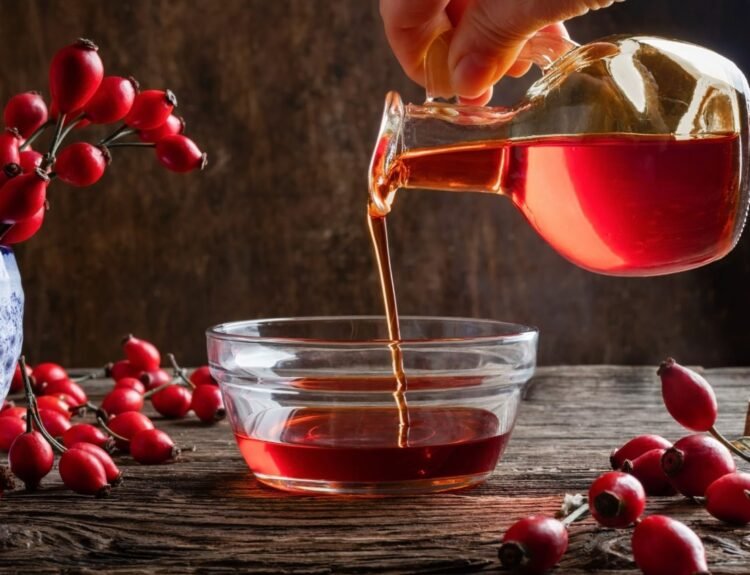
7. Rosehip Oil – Rich in Antioxidants and Fatty Acids
Extracted from rose seeds, rosehip oil is packed with vitamins C and A, promoting cell regeneration and improving skin tone. It also helps fade scars and fine lines.
- Best for: Aging, dry, and uneven skin tone.
- Tip: Massage a few drops onto your face before bedtime for overnight rejuvenation.
8. Squalane – Lightweight and Non-Greasy
Naturally derived from olives or sugarcane, squalane provides silky, lightweight hydration without greasiness. It’s perfect for balancing oily skin while keeping it soft.
- Best for: All skin types, especially oily or sensitive.
- Tip: Layer it under makeup or mix with your moisturizer for long-lasting hydration.
9. Honey – Natural Humectant and Antibacterial
Raw honey is one of nature’s best moisturizers. It locks in hydration, soothes inflammation, and has natural antibacterial properties — ideal for acne-prone skin.
- Best for: Sensitive and acne-prone skin.
- Tip: Use as a face mask or mix with aloe vera for a soothing, hydrating treatment.
Combining Ingredients for Maximum Moisture
To get the most from natural moisturizers, layer ingredients strategically:
- Humectant (like aloe or glycerin) – draws moisture into the skin.
- Emollient (like jojoba or rosehip oil) – softens and smooths skin texture.
- Occlusive (like shea butter or coconut oil) – seals moisture and prevents water loss.
For example:
- Dry skin: Aloe vera → Rosehip oil → Shea butter
- Oily skin: Hyaluronic acid → Jojoba oil → Lightweight squalane
- Sensitive skin: Honey → Aloe vera → Jojoba oil
This layering method ensures your skin stays hydrated and supple all day long.
Natural Ingredients to Avoid (That Might Irritate)
Not all “natural” ingredients are suitable for everyone. Some can irritate or dry out your skin, especially if used in high concentrations.
Avoid or use sparingly:
- Citrus oils (lemon, orange, grapefruit): Can increase sun sensitivity.
- Essential oils (peppermint, eucalyptus): May trigger redness or itching.
- Alcohol-based herbal tonics: Strip away natural oils and cause dryness.
Always perform a patch test before trying a new natural product.
How to Incorporate These Ingredients Into Your Routine
Building a natural moisturizing routine doesn’t need to be complicated. Follow these simple steps:
- Cleanse gently with a sulfate-free or natural cleanser to remove impurities.
- Tone lightly with a hydrating mist or rose water.
- Apply a humectant like aloe or hyaluronic acid on damp skin.
- Seal with a moisturizer or oil (jojoba, rosehip, or squalane).
- Use sunscreen during the day — even natural skin needs protection.
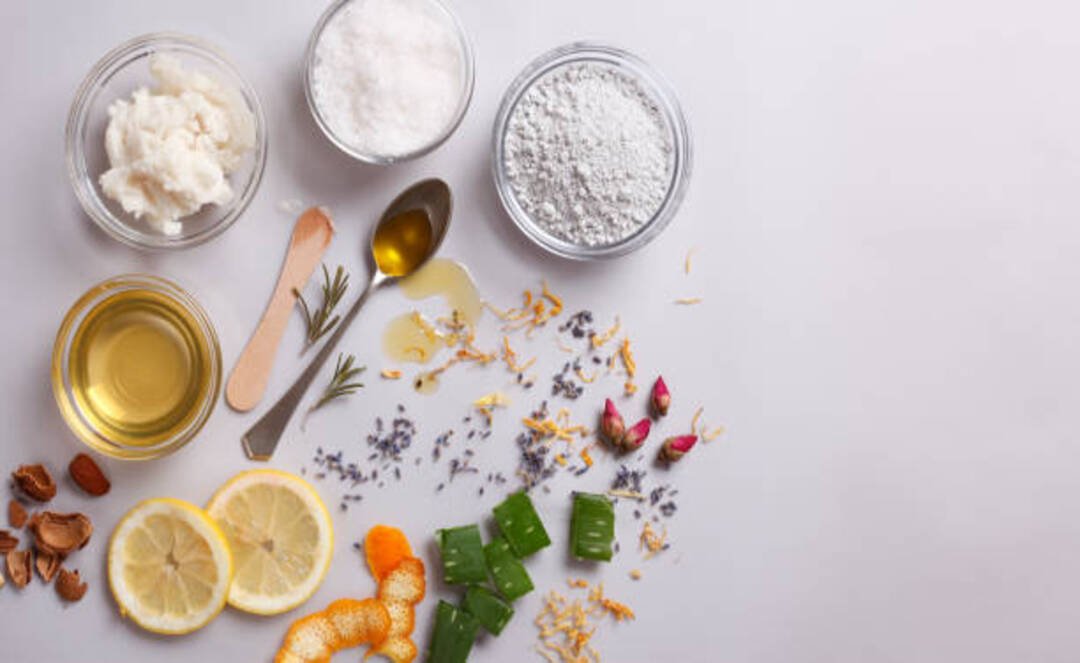
You can also create DIY moisturizers at home using these ingredients. For example, mix aloe vera gel with jojoba oil for a refreshing day cream, or blend shea butter with rosehip oil for a rich night balm.
Final Thoughts
Healthy, hydrated skin isn’t about using expensive creams — it’s about choosing the right natural ingredients that work in harmony with your skin type. From aloe vera and hyaluronic acid to jojoba oil and shea butter, nature offers an abundance of gentle, effective moisturizers that restore your skin’s natural glow.
No matter your skin type, consistency is key. Stick with clean, plant-based moisturizers, avoid harsh chemicals, and give your skin time to adapt to natural nourishment.
Frequently Asked Questions (FAQs)
What are the best natural moisturizing ingredients for dry skin?
Some of the best natural moisturizers for dry skin include shea butter, coconut oil, hyaluronic acid, and rosehip oil. These ingredients help lock in moisture and repair the skin’s lipid barrier for long-lasting hydration.
Can oily skin benefit from natural moisturizers?
Yes! Even oily skin needs hydration. Jojoba oil, squalane, and aloe vera help balance sebum production and prevent clogged pores, keeping the skin moisturized without greasiness.
How can I naturally moisturize sensitive skin?
For sensitive skin, look for calming ingredients like aloe vera, honey, and glycerin. These soothe irritation, reduce redness, and provide gentle hydration without harsh chemicals or fragrances.
Is honey a good natural moisturizer?
Absolutely. Raw honey is a natural humectant, meaning it draws moisture into the skin while also offering antibacterial and healing properties — ideal for acne-prone and sensitive skin.
How often should I use natural moisturizing ingredients?
Use natural moisturizers daily, morning and night. Apply lighter hydrators like aloe vera or hyaluronic acid in the morning and richer emollients like shea butter or rosehip oil before bed. Consistency helps maintain a healthy skin barrier.