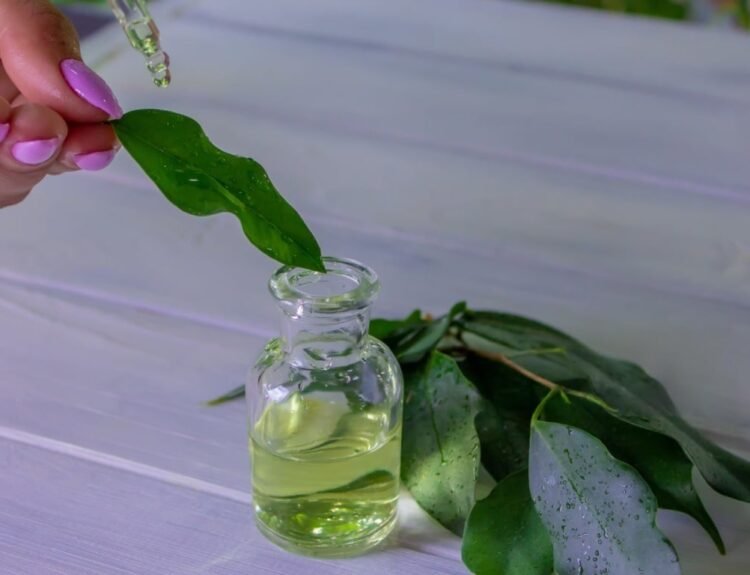




Scars, whether from acne, surgery, or injury, can be persistent and challenging to manage. Over the years, natural remedies have gained popularity, and one oil stands out for its skin-healing properties: rosehip oil. In this article, we explore how rosehip oil can help with scar healing, tips for its effective use, and what to expect.
What is Rosehip Oil?
Rosehip oil is extracted from the seeds of the wild rose bush, commonly found in regions like Chile, Argentina, and parts of Europe. Known for its rich concentration of essential fatty acids, vitamins, and antioxidants, rosehip oil is widely celebrated for its skin-rejuvenating properties. Its active components include:
- Vitamin C: A potent antioxidant that helps in collagen production.
- Vitamin A (retinoids): Supports skin regeneration and cell turnover.
- Essential fatty acids (linoleic and linolenic acids): Maintain skin hydration and elasticity.
- Polyphenols and carotenoids: Fight free radicals and reduce inflammation.
These nutrients work synergistically to reduce the appearance of scars, promote healing, and improve overall skin texture.
How Rosehip Oil Supports Scar Healing
Rosehip oil is particularly effective for scars due to its ability to encourage skin regeneration. Here’s how it helps:
1. Boosts Collagen Production
Collagen is a structural protein essential for skin repair. Scarred skin often has a disrupted collagen matrix, and the vitamin C in rosehip oil stimulates collagen production, helping scars blend with surrounding skin over time.
2. Improves Skin Texture
Regular application of rosehip oil can enhance skin elasticity and smooth out uneven textures. Fatty acids nourish the skin, keeping it soft and supple.
3. Fades Hyperpigmentation
Scars often leave behind dark spots. The antioxidant properties of rosehip oil, particularly vitamin C and carotenoids, reduce hyperpigmentation and even out skin tone.
4. Reduces Inflammation
Inflammation can worsen scar appearance. The anti-inflammatory properties of rosehip oil help calm redness and swelling, making scars less noticeable.
Types of Scars Rosehip Oil Can Help
While rosehip oil is beneficial for various scars, it is especially effective for:
- Acne scars: Smoothens indented areas and reduces discoloration.
- Surgical scars: Promotes faster skin regeneration.
- Burn scars: Hydrates damaged skin and reduces irritation.
- Stretch marks: Improves elasticity and appearance of skin over time.
How to Use Rosehip Oil for Scar Healing
To maximize benefits, proper application of rosehip oil is essential. Here are practical tips:
1. Cleanse Your Skin
Start with a gentle cleanser to remove dirt and impurities. Clean skin allows better absorption of the oil.
2. Apply a Few Drops
Use 2-3 drops of rosehip oil per scarred area. Gently massage in circular motions to stimulate blood flow and absorption.
3. Consistency is Key
For noticeable results, apply rosehip oil twice daily, preferably in the morning and before bed.
4. Mix with Other Oils (Optional)
Combining rosehip oil with other natural oils, such as jojoba or argan oil, can enhance moisturizing effects and provide additional antioxidants.
5. Use Sun Protection
Vitamin C can make your skin more sensitive to sunlight. Apply sunscreen if your scars are exposed to prevent darkening.
DIY Scar Healing Routine with Rosehip Oil
Creating a simple skincare routine incorporating rosehip oil can improve scar appearance over time:
- Morning:
- Cleanse skin
- Apply 2-3 drops of rosehip oil
- Moisturize
- Apply sunscreen
- Evening:
- Cleanse skin
- Apply rosehip oil directly on scars
- Massage gently
- Follow with a moisturizer if needed
Consistency over several weeks can lead to noticeable improvement in scar texture and tone.
Combining Rosehip Oil with Other Treatments
Rosehip oil works well alongside other scar treatments. Some complementary methods include:
1. Silicone Gel Sheets
Silicone sheets hydrate the scar area and improve elasticity, while rosehip oil nourishes and promotes regeneration.
2. Microneedling
Microneedling stimulates collagen production. Applying rosehip oil post-procedure can enhance healing and reduce inflammation.
3. Chemical Exfoliants
Mild exfoliants, like lactic or glycolic acid, remove dead skin cells, allowing rosehip oil to penetrate more effectively.
What to Expect When Using Rosehip Oil
Rosehip oil is natural and generally safe, but patience is essential:
- Timeline: Visible improvement may take 4–12 weeks.
- Mild irritation: Rarely, some may experience redness or itching. Patch test before full application.
- Not a miracle cure: Deep or keloid scars may require additional medical treatments.
Remember, combining rosehip oil with proper skincare practices enhances effectiveness.
Choosing the Right Rosehip Oil
Not all rosehip oils are created equal. Look for:
- Cold-pressed: Retains maximum nutrients.
- Organic and pure: Free from fillers, synthetic additives, or fragrances.
- Dark glass bottle: Protects oil from light degradation.
High-quality rosehip oil ensures optimal scar healing and long-term skin benefits.
Final Thoughts
Rosehip oil is a natural, effective, and gentle solution for scar healing. Rich in vitamins, fatty acids, and antioxidants, it promotes collagen production, reduces inflammation, and fades hyperpigmentation. By following a consistent application routine and combining it with complementary treatments, you can gradually improve the appearance of scars and achieve healthier, smoother skin.
Incorporating rosehip oil into your daily skincare regimen is a simple yet powerful way to nurture your skin and embrace natural healing.