


Dry, itchy, flaky skin is a common concern across all seasons—but nature offers a powerful remedy: shea butter. Extracted from the nuts of the African shea tree (Vitellaria paradoxa), this creamy, nutrient-rich butter is renowned for its ability to provide intense hydration, reduce inflammation, and strengthen the skin’s natural barrier.
In this article, we explore how shea butter for dry skin relief works, its benefits for your skin barrier, and how to use it effectively in your daily skincare routine.
What is Shea Butter?
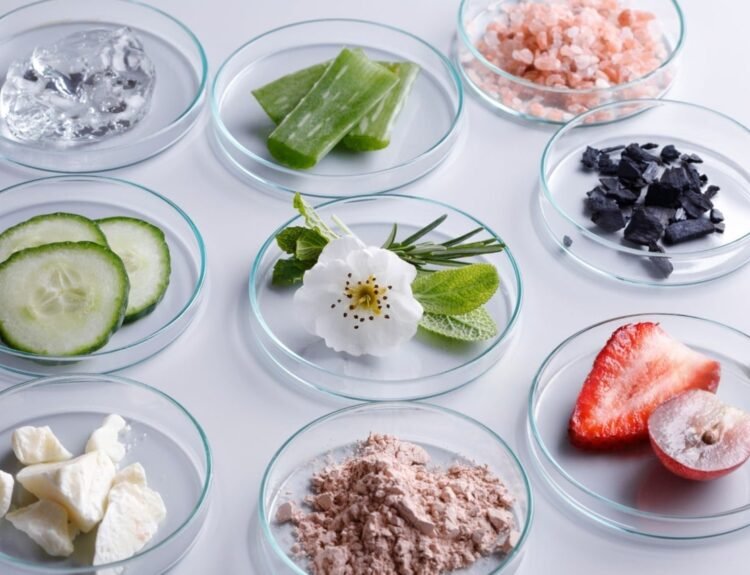
Shea butter is a fat extracted from the nuts of the shea tree. Traditionally used in West African skincare and medicine, it has grown in global popularity due to its deeply moisturizing properties. Unrefined or raw shea butter is packed with skin-loving nutrients like:
- Vitamins A and E
- Essential fatty acids (oleic, stearic, linoleic acids)
- Antioxidants
- Cinnamic acid esters (anti-inflammatory properties)
Why is Shea Butter Good for Dry Skin Relief?
Dry skin lacks both water and oil. Shea butter works on both fronts:
1. Deep Moisturization
Its rich emollient texture locks in moisture by forming a barrier on the skin surface, preventing transepidermal water loss (TEWL).
2. Lipid Replenishment
The high fat content in shea butter helps restore the lipid layer of the skin, mimicking the body’s natural sebum and reinforcing skin resilience.
3. Anti-inflammatory Benefits
Shea butter reduces redness, itching, and irritation associated with eczema, psoriasis, and environmental stressors.
4. Natural Healing Properties
Due to vitamin A and its fatty acid profile, shea butter promotes cell regeneration, speeding up the healing of dry or cracked skin.
The Skin Barrier: Why Protection Matters
The skin barrier—also called the stratum corneum—is the outermost layer of the skin. It plays a critical role in:
- Blocking harmful microorganisms
- Retaining moisture
- Preventing irritants from entering the skin
When the barrier is damaged (often due to harsh soaps, sun, cold weather), skin becomes dry, sensitive, and prone to infections.
How Shea Butter Strengthens the Skin Barrier
Shea butter mimics the skin’s natural lipids and helps repair the barrier by:
- Reinforcing ceramide production
- Smoothing micro-cracks in the epidermis
- Reducing inflammation in compromised skin
Scientific Support for Shea Butter’s Effectiveness
Recent studies support shea butter’s role in skin care. Research published in the Journal of Allergy and Clinical Immunology showed that emollients like shea butter significantly reduce water loss and improve barrier integrity in infants and adults with dry or eczema-prone skin.
Moreover, shea butter contains triterpenes, which have anti-aging and antioxidant properties—making it a great choice for natural skincare enthusiasts.
How to Use Shea Butter for Dry Skin Relief
1. Daily Moisturizer
After a bath or shower, apply raw shea butter directly onto damp skin. This locks in hydration for soft, smooth skin.
2. Overnight Treatment
Apply a thick layer to particularly dry areas (elbows, heels, hands) and cover with socks or gloves overnight.
3. Mix with Oils or Creams
Create your own DIY shea butter balm by blending it with oils like jojoba, rosehip, or vitamin E oil.
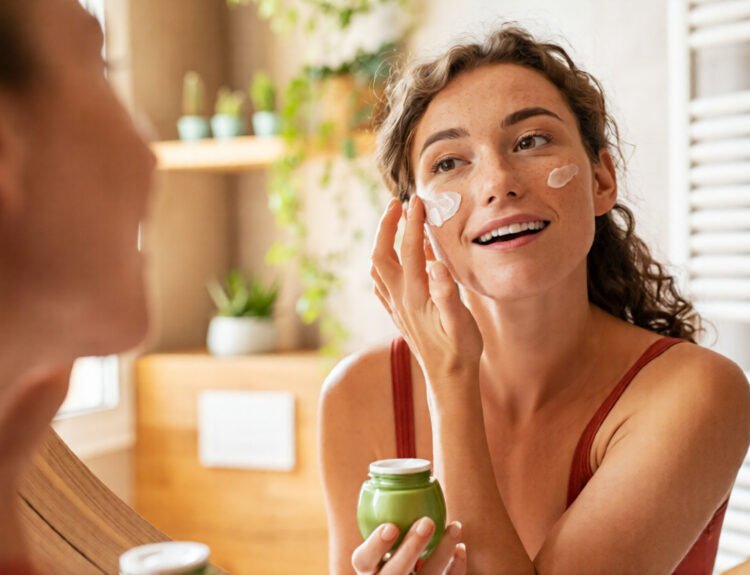
4. Use on the Face
If you have dry or sensitive facial skin, apply a small amount at night. It’s non-comedogenic (won’t clog pores) for most skin types.
Benefits Beyond Moisture
Shea butter isn’t just for dryness. Here are added benefits:
- Anti-aging: Smooths fine lines and promotes collagen production
- UV Protection: Offers mild UV protection (SPF ~6)
- Stretch Marks & Scars: Helps fade scars and improves skin elasticity
- Soothing After-Sun Care: Calms sunburned or wind-chapped skin
Shea Butter vs. Other Moisturizers
| Feature | Shea Butter | Coconut Oil | Petroleum Jelly |
| Hydration | Deep, long-lasting | Moderate | Occlusive only |
| Nutrient Content | High (Vitamins A, E) | Medium (Vitamin E) | None |
| Skin Barrier Support | Excellent | Moderate | Protective only |
| Natural Ingredient | 100% natural | 100% natural | Synthetic |
| Suitable for Face | Yes (non-comedogenic) | May clog pores | Not recommended |
Best Practices When Buying Shea Butter
Not all shea butter is created equal. Here’s what to look for:
- Unrefined/raw shea butter: Retains all nutrients and natural scent
- Color: Pale yellow to ivory; overly white may mean it’s bleached
- Smell: Earthy, nutty aroma indicates authenticity
- Packaging: Airtight containers prevent oxidation
Pro Tip: Choose Fair Trade Certified shea butter to support ethical sourcing and women’s cooperatives in West Africa.
Who Should Avoid Shea Butter?
Shea butter is generally well tolerated, but:
- If you have tree nut allergies, patch-test first
- Avoid applying over infected or open wounds without medical guidance
- Acne-prone users should test on a small area first, though it’s rated as non-comedogenic (0-2)
Combining Shea Butter with Other Skin-Loving Ingredients
To boost the effectiveness of shea butter, combine it with:
- Hyaluronic Acid: Attracts water while shea locks it in
- Niacinamide: Calms redness and strengthens the skin barrier
- Tea Tree Oil: Adds antibacterial benefits for acne-prone skin
- Sea Buckthorn Oil: Amplifies antioxidants and healing
This synergy results in enhanced hydration and better skin resilience.
Shea Butter in Your Daily Skincare Routine
Here’s a simple routine to incorporate shea butter:
- Cleanse with a gentle, hydrating face wash
- Tone to balance pH (optional)
- Treat with serums (like hyaluronic acid or vitamin C)
- Moisturize with shea butter or shea-based cream
- Protect with sunscreen (during daytime)
Use shea butter more heavily at night to allow overnight skin recovery.
Conclusion: Embrace Shea Butter for Skin That Glows Naturally
Whether you’re suffering from winter dryness, eczema, or simply want to boost your skin’s natural barrier, shea butter is a time-tested solution. Packed with natural goodness and backed by both tradition and science, it delivers deep hydration, barrier repair, and a glow that comes from within.
Ready to experience the healing touch of shea butter?
Start today by adding it to your routine and enjoy hydrated, protected, and glowing skin—naturally.