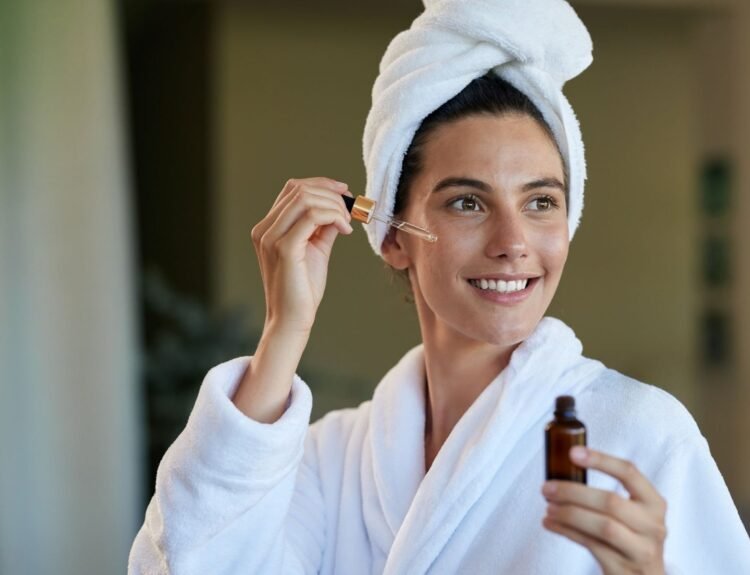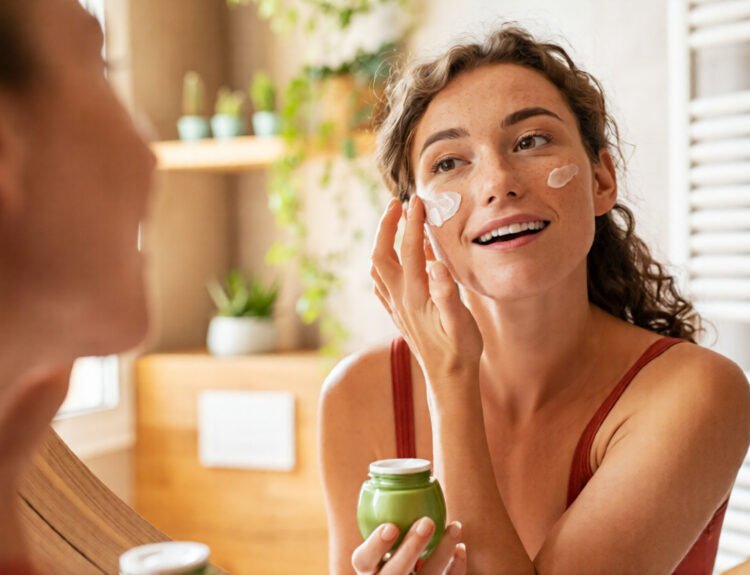



Natural skincare has been gaining momentum over the past few years, and one ingredient that consistently stands out is tea tree oil. Known for its powerful antibacterial, antifungal, and anti-inflammatory properties, tea tree oil has earned a permanent spot in many skincare routines. Whether you struggle with acne, irritation, or simply want a natural way to maintain clear skin, this essential oil can make a meaningful difference. In this blog, we’ll explore why tea tree oil is a must-have, its benefits, how to use it safely, and what the science says about its effectiveness.
What Is Tea Tree Oil?
Tea tree oil is an essential oil extracted from the leaves of the Melaleuca alternifolia plant, native to Australia. For centuries, indigenous Australians have used it for its healing properties, particularly for treating wounds and infections. Today, tea tree oil is a staple in the skincare world due to its ability to combat skin concerns naturally.
The Science Behind Tea Tree Oil
Modern research backs up the traditional uses of tea tree oil. It contains compounds like terpinen-4-ol, which is largely responsible for its antimicrobial and anti-inflammatory effects. Studies suggest that tea tree oil can:
- Reduce the number of acne lesions
- Fight bacteria and fungi on the skin
- Calm redness and irritation
- Speed up wound healing
This scientific validation is one of the key reasons why tea tree oil deserves a permanent place in your skincare cabinet.
Benefits of Tea Tree Oil for Skin
1. Natural Acne Fighter
Tea tree oil is widely recognized for its acne-fighting abilities. Its antibacterial properties help reduce the growth of Cutibacterium acnes (the bacteria linked to acne). Unlike harsh synthetic treatments, tea tree oil tends to be gentler on the skin, making it an excellent alternative for those with sensitive or reactive skin.
2. Reduces Skin Inflammation
If you’re dealing with redness, swelling, or irritation, tea tree oil’s anti-inflammatory nature can provide relief. Applying diluted tea tree oil to affected areas may help calm flare-ups caused by acne, eczema, or even minor allergic reactions.
3. Fights Fungal Infections
Tea tree oil isn’t just beneficial for acne. Its antifungal properties make it effective against conditions like athlete’s foot, ringworm, and nail fungus. Adding a few drops to skincare or body care routines can provide added protection.
4. Supports Wound Healing
Minor cuts and abrasions can benefit from tea tree oil’s antimicrobial action, which helps keep bacteria at bay and reduces the risk of infection while supporting faster healing.
5. Controls Excess Oil
Oily skin can be challenging to manage, but tea tree oil helps regulate sebum production. Using it in a diluted toner or moisturizer can balance oil levels without over-drying the skin.
6. Natural Deodorizing Effect
Due to its antibacterial qualities, tea tree oil can also help combat body odor. It’s often included in natural deodorant formulations and body washes for a refreshing, clean feel.
How to Use Tea Tree Oil Safely
Although tea tree oil offers many benefits, it’s important to use it correctly to avoid irritation.
Always Dilute Tea Tree Oil
Pure tea tree oil is highly concentrated and can cause irritation or allergic reactions if applied directly to the skin. It’s best to dilute it with a carrier oil such as jojoba oil, coconut oil, or almond oil before applying.
Recommended dilution ratio:
- 1–2 drops of tea tree oil per 12 drops of carrier oil.
Patch Test Before Use
Before applying tea tree oil to your face or body, perform a patch test on a small area of skin to check for sensitivity.
Popular Ways to Use Tea Tree Oil in Skincare
- Spot treatment for acne: Apply diluted tea tree oil directly on pimples.
- Toner: Add a few drops to witch hazel or rose water for an antibacterial toner.
- Face masks: Mix with clay masks to enhance acne-fighting properties.
- Body wash: Incorporate into a DIY wash for clearer, refreshed skin.
Common Myths About Tea Tree Oil
Like many natural remedies, tea tree oil comes with a fair share of myths. Let’s separate fact from fiction.
Myth 1: Tea Tree Oil Can Replace All Skincare Products
While tea tree oil is powerful, it’s not a one-size-fits-all solution. It works best as part of a balanced skincare routine rather than replacing cleansers, moisturizers, or sunscreens.
Myth 2: It’s Safe to Use Undiluted
Some believe that pure tea tree oil can be applied directly to the skin. However, this increases the risk of irritation, redness, and even chemical burns. Always dilute before use.
Myth 3: More Is Better
Using more tea tree oil won’t clear your skin faster. Overuse may lead to dryness and irritation. Moderation is key.
Who Should Use Tea Tree Oil?
Tea tree oil is generally safe for most skin types when used properly, but it is especially beneficial for:
- Acne-prone skin: Reduces breakouts naturally
- Oily skin: Balances sebum production
- Sensitive skin: Offers a gentle alternative to harsh treatments
- Individuals with mild fungal issues: Helps with scalp, nail, or body fungal concerns
However, those with very dry or eczema-prone skin should use tea tree oil cautiously, as it may cause further dryness if overused.
Alternatives and Complements to Tea Tree Oil
If you’re building a skincare routine, tea tree oil can be combined with or substituted by other natural ingredients:
- Niacinamide: Reduces redness and regulates oil production.
- Aloe Vera: Soothes irritated skin and hydrates.
- Salicylic Acid: Penetrates pores to reduce breakouts.
- Witch Hazel: Acts as a natural astringent.
Using tea tree oil alongside these ingredients can enhance results without overloading your skin.
Tips for Adding Tea Tree Oil to Your Skincare Cabinet
- Choose 100% pure tea tree oil from reputable brands.
- Store in a cool, dark place to preserve potency.
- Avoid combining with products that contain retinoids or benzoyl peroxide at the same time, as this may increase irritation.
- Start slow—use 2–3 times a week and adjust based on skin tolerance.
Final Thoughts
Tea tree oil is more than just a natural remedy, it’s a science-backed skincare ally that helps with acne, inflammation, fungal infections, and excess oil production. When used correctly, it can be a game-changer for clearer, healthier skin. Whether you’re looking for an alternative to harsh chemical treatments or just want to expand your skincare cabinet with natural solutions, tea tree oil deserves a permanent place.
Frequently Asked Questions (FAQs)
Can I use tea tree oil every day?
Yes, but it should always be diluted and used in moderation. Overuse may cause dryness.
Is tea tree oil safe for sensitive skin?
It can be, but a patch test is highly recommended before applying it to your face.
Can I mix tea tree oil with my moisturizer?
Yes, adding a drop to your regular moisturizer is a safe way to incorporate it into your routine.
Does tea tree oil help with acne scars?
While it may not fade scars completely, its anti-inflammatory properties can reduce post-acne redness and prevent new breakouts.
Can tea tree oil be used on the scalp?
Absolutely. It can help with dandruff, itching, and maintaining a healthy scalp environment.